Dear Santa Before I Explain How Much SVG
When I first opened this Christmas design, I was struck by how the humor landed immediately. The title Dear Santa Before I Explain How Much sets up a punchline that feels both cheeky and warm, exactly the kind of personality that works well on holiday gifts and custom apparel. As someone who tests embroidery files for real projects, I pay attention to how a design reads after stitching, not just how it looks on screen. This one has the kind of clear, direct lettering and playful energy that translates well into thread, provided you treat it with the care it deserves.
First Impressions of This Holiday Design
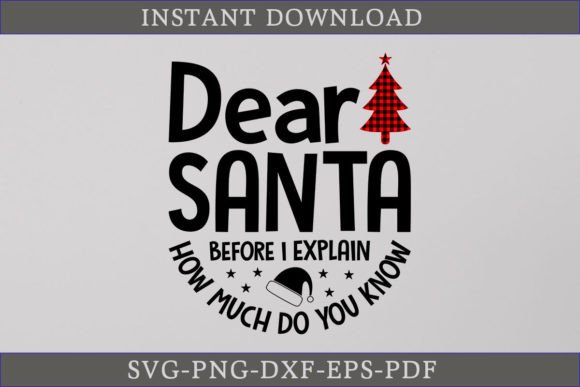
The mood of Dear Santa Before I Explain How Much SVG is conversational and slightly mischievous. It feels like something you would put on a gift for a close friend or a family member who appreciates a little wit. The layout is text-forward, which means the success of the finished product depends heavily on legibility, spacing, and thread contrast. In my experience, designs that rely on a few well-chosen words rather than dense imagery tend to stitch cleaner and hold up better after repeated washing, especially on items like tote bags, sweatshirts, and kitchen towels.
The design falls under the Crafts category and is offered as a Graphics product, which means it arrives as an SVG, DXF, EPS, PNG, and PDF file inside a zip archive. For embroidery use, you will need to convert or import the SVG into your digitizing software or machine platform. This is standard for many graphic-based designs, and it gives you flexibility to adjust sizing, placement, and stitch settings before you commit to a project.
Testing the Design on Real Projects
I decided to test Dear Santa Before I Explain How Much SVG on a medium-weight crewneck sweatshirt in a heathered gray. I wanted to see how the lettering would read against a slightly textured background. After digitizing the SVG into an embroidery file, I ran a sample on scrap fabric first, which I always recommend. The satin stitch on the main letters came out crisp, though I did need to adjust the underlay slightly to prevent the thread from sinking into the fleece.
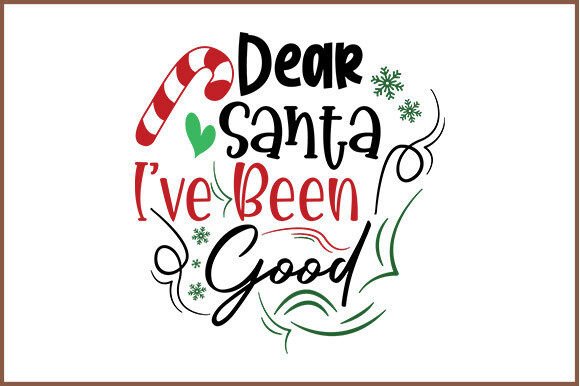
The fill stitch areas in the decorative elements held up well, but I noticed that the smallest details, such as the tail of the "y" in "Santa" and the curl of the comma, required a stabilizer with good hold. I used a medium-weight cutaway stabilizer and a 60/9 needle, and the design stitched without distortion. On a smoother fabric like cotton poplin or a canvas tote bag, the same design would likely stitch even cleaner, especially for a boutique product or a personalized holiday gift.
Where This Design Shines in Embroidery
Dear Santa Before I Explain How Much SVG is a natural fit for several kinds of finished products. Here is where I see it performing best:
- Custom apparel: Sweatshirts, t-shirts, and hoodies with a relaxed fit. The humor works well on casual layering pieces that people reach for during the holiday season.
- Tote bag design: A sturdy canvas or cotton tote with this design makes a great last-minute gift or a craft fair item. The bold lettering stands out against natural fabric tones.
- Baby embroidery: If you adjust the scale slightly smaller, this design could work on a baby bodysuit or a receiving blanket, especially for a family that enjoys playful holiday-themed clothing.
- Embroidered patch: Because the design is text-heavy and the shapes are relatively simple, it digitizes well for a patch that can be ironed onto jackets, backpacks, or stockings.
- Kitchen towel or apron: For a handmade product that gets frequent use, the design holds up well if you choose thread colors that contrast with the fabric and keep the stitch density moderate.
- Pillow cover or nursery decor: A festive pillow with this saying adds a conversational touch to a holiday-themed room or gift set.
For small shop owners and Etsy sellers, this design gives you a strong option for personalized holiday products. It is the kind of design that customers notice because it feels current and relatable, not generic. When I showed a sample to a few friends, they immediately said it reminded them of gifts they would buy for their siblings or close coworkers.
Where to Use Caution
No design works everywhere, and Dear Santa Before I Explain How Much SVG has a few considerations that matter when you are preparing a project for a client or for your own shop inventory.
- Small hoop sizes: If you are working with a 4x4 hoop, the text may need to be sized down, which can reduce legibility. I recommend testing a scaled-down version on scrap fabric before stitching on the final item.
- Textured or stretchy fabric: Fleece, French terry, and ribbed knits can cause the letters to distort if the stabilizer is not firm enough. Use a cutaway stabilizer and consider a temporary spray adhesive to keep the fabric flat.
- Dark fabric: The design relies on clear contrast between thread and background. On dark fabric, choose a bright thread color like white, gold, or red to maintain readability. Avoid using dark thread on dark fabric unless you want a subtle tone-on-tone effect, which can work for certain high-end looks but may reduce the humor's impact.
- Curved surfaces like caps: Text-heavy designs on caps require careful hoop placement and a curved-surface hoop. The straight line of text may need adjustment to follow the curve of the cap brim. I would test this design on a practice cap before offering it as a product.
- Dense stitch areas: Some parts of the design, especially the decorative accents around the words, may become dense if the design is enlarged too much. Monitor the stitch count in your software and consider reducing density if you see areas that could cause puckering on lightweight fabric.
Practical Notes for Embroidery Designers
For anyone planning to use Dear Santa Before I Explain How Much SVG in a commercial embroidery project, here are the steps I follow before I commit to a batch of finished products:
- Test on scrap fabric first. Stitch the design on a fabric similar to your final product. Check for any pulling, gaps, or thread breaks.
- Check thread color contrast. Hold the thread colors next to the fabric in natural light. The design should read clearly from a few feet away, especially if it is going on apparel or a tote bag.
- Review stitch density. Open the design in your digitizing software and look for areas where stitches overlap too much. Reduce density if needed to prevent stiffness or puckering.
- Confirm hoop size. Make sure the design fits comfortably in your hoop with at least half an inch of margin on all sides. Crowding the hoop can cause registration issues.
- Inspect small details. The curls, punctuation, and thin strokes in the lettering may need stabilization. If your machine struggles with fine details, consider a smaller needle or a lighter thread weight.
- Test in black and white mockups. Print the design in grayscale or view it without color to see if the shapes hold together. A design that works in black and white will almost always work in color.
- Compare light and dark fabric backgrounds. Stitch the design on both a light and dark fabric sample. This helps you decide which version to offer in your shop or which thread colors to recommend to customers.
- Use proper stabilizer. For most projects, a medium-weight cutaway stabilizer is a safe starting point. For stretchy or delicate fabrics, adjust to a heavier or lighter stabilizer as needed.
- Check licensing before selling. Because this design is offered as an SVG and Graphics product, confirm whether your license covers commercial use of finished items and digital product sales. Each shop has different terms, so read the seller's policy carefully before listing items that use this design.
These steps may sound basic, but I have seen too many crafters skip the testing phase and end up with skewed letters or broken needles. A few extra minutes of testing saves hours of frustration later.
How This Design Affects Visual Appeal and Product Value
When a customer sees a finished product with Dear Santa Before I Explain How Much SVG, the first reaction is usually a smile. That is the kind of emotional response that drives sales at craft fairs and on Etsy. The design gives the item a personality that feels personal, not mass-produced. For small business owners, that translates into higher perceived value and stronger customer engagement.
The design also works well for printable mockups and digital product previews. Because the SVG and PNG files are included, you can create lifestyle images for your shop listings without stitching every sample. This is especially useful if you sell personalized products and want to show customers how the design might look on different items.
From a branding perspective, this design fits a niche that many holiday embroidery designs miss: it is funny without being aggressive, warm without being saccharine. That balance makes it easier to market to both individuals and wholesale clients. I can see this design appearing on boutique products, coffee shop merchandise, and small shop inventory without feeling out of place.
Final Thoughts on Using This Design in Your Craft Business
Dear Santa Before I Explain How Much SVG is a solid addition to a holiday design library, especially for makers who focus on custom apparel, personalized gifts, and small batch merchandise. The design has clear visual personality, and when you prepare it properly, it stitches cleanly across a range of fabric types. It is not a design for every project, but for the right product, it creates a strong connection with the buyer.
If you are an Etsy seller or a craft business owner looking for holiday designs that stand out from the usual seasonal offerings, this one is worth your time. Just remember to test your fabric and stabilizer combination, confirm your hoop size, and verify your license terms before you start producing finished items. With those steps in place, you can turn this playful SVG into a reliable product that your customers will remember.