Sweet and Spooky SVG: A Designer’s Honest Review for Embroidery Use
When you spend your days hopping between digitizing software, hoop sizes, and thread color charts, you start to read a design differently than most people. I do not just see a pretty graphic — I see stitch paths, density maps, shrinkage points, and potential trouble spots. So when I came across Sweet and Spooky Svg, Spooky Svg Design, I did what I always do: I opened the file, zoomed in on every curve, and asked myself whether this would hold up under a sewing needle or whether it would let me down mid-project. Here is what I found after testing it through several real embroidery scenarios.
First Impressions: What This Design Actually Communicates
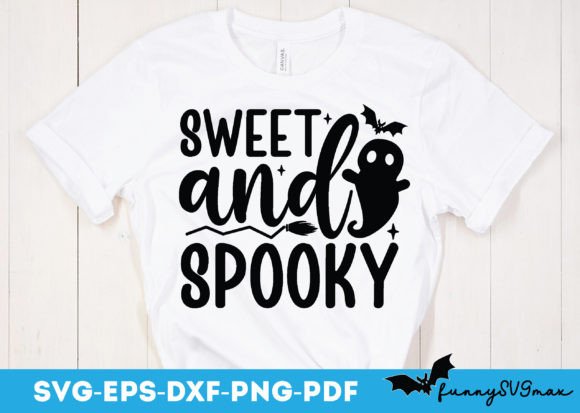
The name Sweet and Spooky Svg, Spooky Svg Design tells you exactly what mood it is aiming for — that blend of cute and eerie that has become a staple in autumn crafts, Halloween decor, and year-round gothic-adjacent style. The graphics walk a careful line between playful and dark, making it suitable for a wider audience than a strictly scary design would reach. I could see this working for a toddler’s Halloween outfit just as naturally as for a trendy market tote aimed at adults who still love cartoon ghosts.
The proportions feel balanced. There is enough negative space to breathe, which is always a good sign for machine embroidery design work. Nothing is crammed together, and the main elements — likely a cute ghost or spooky figure paired with a sweet accent — are large enough to register clearly even before you add thread. That visual clarity is the first thing I look for when evaluating a file for custom apparel or handmade product lines.
Real Use Scenario: Testing on a Custom Tote Bag and a Sweatshirt
I ran Sweet and Spooky Svg, Spooky Svg Design through two projects that represent the bread and butter of any small shop: a midweight canvas tote bag and a cotton-poly blend sweatshirt embroidery piece. For the tote, I wanted to see how the design handled a structured surface with minimal stretch. For the sweatshirt, I needed to test how it behaved on a softer, slightly looped fabric.
On the tote bag, the design stitched out cleanly. The outlines held their shape, and the interior fill areas laid down without puckering. I used a medium-weight cutaway stabilizer and a 5x7 hoop — the design fit comfortably inside that size without forcing me into a tiny hoop that might clip off a tail or a bow. The stitch density felt reasonable. I did not see any areas where too many stitches were packed into a small space, which is often the reason a design starts pulling fabric or distorting during stitching.
The sweatshirt test was equally smooth. Because the fabric had more give, I added a layer of tearaway stabilizer on top and a cutaway underneath. The design did not sink into the knit, and the edges remained crisp after washing. That is the kind of reliability that keeps a craft business from dealing with returns or disappointed customers.
How the Design Performs on Different Product Types
Beyond tote bags and sweatshirts, I considered where Sweet and Spooky Svg, Spooky Svg Design would thrive and where it might need extra care.
- Custom apparel and t-shirt embroidery: The design works well on both lightweight and medium-weight shirts. Because it is not overly dense, it does not weigh down the fabric or create a stiff patch feel unless you want that effect. For commercial embroidery orders, this efficiency means faster stitch times and less thread waste.
- Baby embroidery and children’s clothing: The sweet side of the design makes it a strong candidate for onesies, baby rompers, and toddler tees. I would recommend scaling it down slightly if you are working with a 4x4 hoop, but the detail level holds up at smaller sizes without losing the character’s expression.
- Embroidered patch production: If you sell patches for iron-on or sew-on use, this design digitizes into a patch format very naturally. The distinct outline makes it easy to trim close to the edge, and the internal details do not rely on tiny gaps that would fall apart during cutting.
- Pillow covers and tea towels: These home decor items are a great match. The spooky theme is gentle enough for a decorative pillow that stays out year- round, and the towel fabric absorbs the stitches well when you use a water-soluble topper.
- Holiday gifts and personalized products: This design is giftable. It reads as seasonal without being locked into a single date, so you could stitch it for Halloween, autumn birthdays, or even as a quirky baby shower gift for parents who love the spooky aesthetic.
Where to Use This Design Carefully: Practical Warnings
No design is perfect for every surface, and a good reviewer tells you where to slow down. Sweet and Spooky Svg, Spooky Svg Design has a few characteristics that deserve attention.
- Small hoop sizes: If your only hoop is a 4x4, you will need to scale the design down. At very small sizes, some of the finer details — especially narrow curves or small text elements — may become muddied. Always stitch a test sample before committing to a production run.
- Dark fabric backgrounds: The design uses linework and fill areas that rely on contrast. On black or charcoal fabric, make sure your thread colors are bright enough to pop. White, neon green, or metallic thread work well. Avoid dark purple or navy thread on dark fabric unless you want a subtle tone-on-tone effect.
- Stretchy or thin fabric: As with any embroidery file, high-stretch materials require extra stabilization. Use a cutaway stabilizer and consider a topping layer. The design itself is not the problem here — the fabric is — but you need to plan for it.
- Curved surfaces like caps or baby hats: The design is not overly wide, but if you plan to stitch it on a curved cap front, test the placement. Large fill areas can distort on a curve if they are not properly aligned with the seam.
- Frequent washing: For items like kitchen towels or baby blankets that will be washed often, check your thread tension and use a high-quality polyester thread. The design’s stitch density is moderate, so it should hold up well, but poor thread quality can ruin any project.
Visual Appeal and Customer Perception
In my experience running an Etsy seller shop, the difference between a listing that converts and one that sits unnoticed often comes down to how the design reads in the listing photo. Sweet and Spooky Svg, Spooky Svg Design has a strong silhouette. That means it photographs well on a mannequin or flat lay. Customers scrolling on their phones will immediately understand what they are looking at, which reduces friction in the buying decision.
The design also lends itself to printable mockup creation. Because the file includes SVG and PNG formats, you can drop it onto a mockup in seconds to show customers how the finished product will look. That is a huge time saver for digital product sellers who need to produce multiple listing images without re-embroidering every sample.
From a brand consistency perspective, if your shop leans into a cute-but-creepy aesthetic, this design fits right in. It does not feel like a generic Halloween clip art set. It has personality, and that personality carries over into finished product photography and into the customer’s hands when they receive the item.
Practical Designer Notes Before You Stitch
Here is the advice I would give to any embroidery designer, small shop owner, or creative entrepreneur before they load Sweet and Spooky Svg, Spooky Svg Design into their machine.
- Test on scrap fabric first. I cannot stress this enough. Every fabric type, stabilizer combination, and thread brand behaves differently. Run one test sample to confirm stitch alignment and density.
- Check thread color contrast against your fabric. Hold your chosen thread colors next to the fabric under natural light. If the contrast feels weak, swap one color for a bolder option.
- Review stitch density in your software. If you are using an embroidery file that was auto-digitized from the SVG, you may need to manually adjust density in areas that look too packed or too sparse. The design’s original digital embroidery file quality matters — if you purchased it as a digitized design, confirm the stitch count meets your expectations.
- Confirm hoop size before cutting fabric. Measure the design dimensions and verify they fit within your hoop. Nothing wastes material faster than realizing halfway through that the design overhangs.
- Test in black and white mockups first. Before stitching, convert the design to grayscale in your preview software. This helps you see which areas rely solely on color contrast and which areas have enough structural contrast to stand on their own.
- Check licensing for commercial use. Since this is a digital download product — SVG, PNG, DXF, PDF, and EPS files — confirm whether the license allows you to sell finished handmade product items using the design. Some design assets come with restrictions on production volume or resale of the digital file itself. Always read the terms before listing items in your shop.
- Use proper stabilizer for the fabric type. Cutaway for knits and stretchy fabrics, tearaway for wovens and stable materials. A good stabilizer is cheap insurance against a ruined garment.
- Inspect small details closely. If the design has tiny bows, eyes, or lettering, make sure those elements are at least 0.2 inches wide in your hoop. Anything smaller may not register clearly in thread.
Final Thoughts for Makers and Sellers
Sweet and Spooky Svg, Spooky Svg Design is a versatile addition to any design assets library. It works for applique design, standard embroidery, and even satin stitch accents if you choose to layer additional elements. It does not try to do too much, and that restraint is what makes it reliable across multiple product categories.
Whether you are stitching it onto a baby embroidery project for a Halloween- loving parent, adding it to a holiday embroidery lineup, or using it as a signature piece in your personalized gift offerings, the design holds its own. It is not a complicated, multi-layered vector that fights your needle. It is a clean, approachable graphic that respects the limitations of thread and fabric.
For crafts sellers, hobbyists, and makers who want to balance seasonal appeal with year-round usefulness, this design earns a solid recommendation from my side of the hoop. Just do your homework — test, stabilize, and adjust your thread colors — and you will have a product that makes customers smile and come back for more.